










Disposable PE Boot Covers: Comprehensive Guide to Standards, Applications, and Best Practices
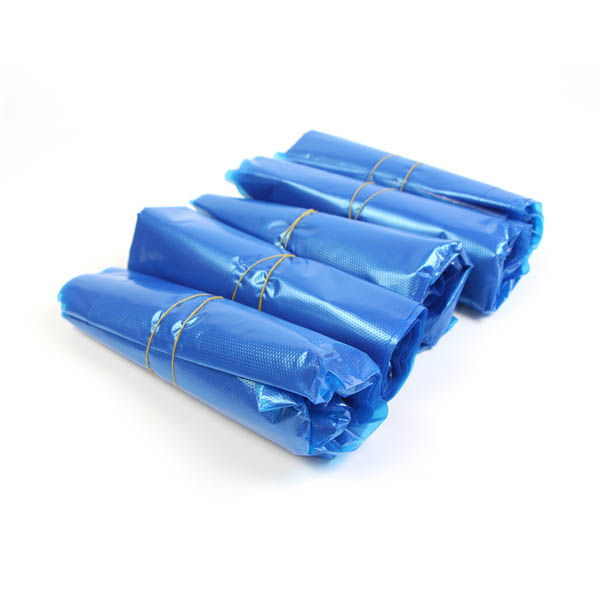
Disposable PE (polyethylene) boot covers have become essential protective gear in environments where hygiene, safety, and contamination control are critical. These single-use footwear options are designed to provide waterproofing, dust protection, and ease of disposal, making them ideal for short-term use in healthcare, food processing, industrial settings, and household applications. Unlike reusable footwear, disposable PE boot covers offer a cost-effective and practical solution for minimizing cross-contamination risks. This article explores the key aspects of disposable PE boot covers, including their standards, material properties, applications, and safety considerations.
Standards and Quality Control
International Standards
Disposable PE boot covers must adhere to stringent international standards to ensure quality, safety, and compliance across diverse industries:
ISO Certification: ISO standards, such as ISO 13485 for medical devices, are critical for manufacturers. These certifications ensure consistent production quality, reliability, and compliance with global hygiene requirements. For example, ISO 13485 emphasizes risk management and traceability, which are vital for medical-grade boot covers used in hospitals and laboratories.
CE Marking: In Europe, CE marking indicates compliance with health, safety, and environmental protection regulations. This certification facilitates market access and consumer trust, particularly for medical and food-grade applications where regulatory alignment is essential.
This certification confirms the non-toxic nature of the material and its suitability for handling consumables or sensitive environments.
Material Specifications
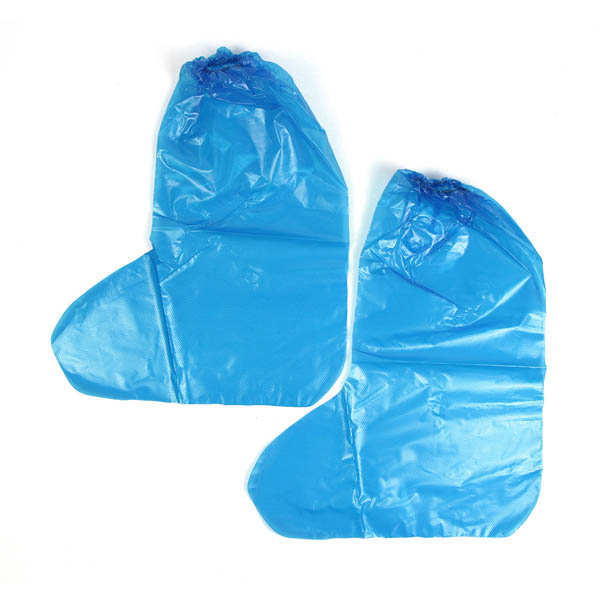
Polyethylene (PE) Composition: PE is a thermoplastic polymer known for its lightweight, durable, and chemical-resistant properties. It offers excellent moisture resistance, making it ideal for environments where hygiene is critical, such as hospitals, food processing plants, and cleanrooms.
Waterproof and Dustproof Design: PE boot covers are designed to be waterproof and dustproof, providing effective protection against liquids and particulate contaminants. This feature is particularly beneficial in industrial settings where exposure to chemicals or dust is common.
Latex-Free and Hypoallergenic: PE boot covers are inherently latex-free, reducing the risk of allergic reactions and ensuring safer use in medical and food environments. This feature is crucial for individuals with sensitivities or allergies.
Physical Properties and Engineering Applications
Material Characteristics
Lightweight and Comfortable: PE boot covers are designed to be lightweight, ensuring ease of movement and comfort for users. Their soft, non-irritating surface enhances wearability, especially for patients or workers in extended shifts.
Durability and Wear Resistance: PE material offers good durability against daily wear and tear. Reinforced design elements, such as thicker soles or reinforced edges, prevent premature degradation, ensuring longevity even in high-traffic areas.
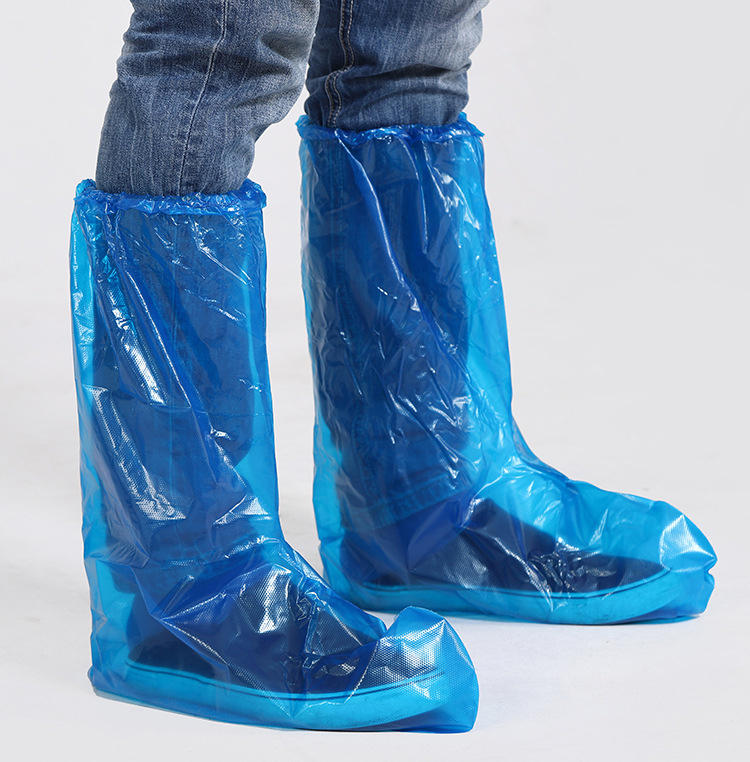
Elastic Top for Secure Fit: Many PE boot covers feature an elastic top that provides a secure fit around the ankle, preventing slippage and ensuring effective protection against splashes or spills. This design is particularly useful in wet or slippery environments.
Engineering Applications
Healthcare Settings: In hospitals and laboratories, disposable PE boot covers are used to maintain cleanliness and prevent cross-contamination. Their waterproof and dustproof properties make them ideal for operating rooms, cleanrooms, and patient care areas where hygiene is paramount.
Food Industry: Food processing plants and restaurants rely on PE boot covers to ensure food safety. The FDA-approved material is safe for food contact, and the disposable nature minimizes the risk of microbial contamination during food preparation and packaging.
Industrial Environments: Industries such as manufacturing, construction, and cleaning use PE boot covers for tasks involving chemical exposure or dust. Their chemical resistance and durability provide reliable protection against workplace hazards, reducing the risk of injuries or contamination.
Household Use: Everyday activities like cleaning, gardening, or visiting public showers benefit from PE boot covers due to their affordability and ease of disposal. They offer sufficient protection against mild irritants and contaminants, making them a practical choice for short-term needs.
Safety Considerations and Best Practices
Chemical Contamination Risks
Material Safety: PE is generally safe, but low-quality materials may contain harmful additives. Selecting boot covers from reputable manufacturers with ISO or CE certifications ensures compliance with safety standards and minimizes health risks.
Cross-Contamination Prevention: Regular disposal and replacement of boot covers are essential to prevent microbial buildup. In healthcare, this practice reduces infection transmission, while in food processing, it maintains hygiene standards.
Best Practices for Use
Proper Selection: Choose boot covers based on the specific environment and task. For medical or food-grade applications, prioritize FDA-approved options; for industrial settings, focus on durability and chemical resistance.
Regular Changes: Disposable boot covers should be replaced after each use or at intervals recommended by hygiene protocols. This prevents contamination and ensures optimal safety, especially in high-risk environments.
User Education: Educate staff or users on proper disposal methods. Training programs can enhance awareness of hygiene practices, such as placing used boot covers in designated waste bins to support recycling efforts.
Supplier Reliability: Partner with manufacturers with proven track records in medical or industrial supply production. Long-term agreements can ensure consistent quality and cost-effectiveness, while customization options cater to specific needs, such as branded designs for hotels or hospitals.
Conclusion
Disposable PE boot covers are a versatile and cost-effective solution for maintaining hygiene and safety across healthcare, food processing, industrial, and household settings. Adhering to international standards like ISO certification, CE marking, and FDA approval ensures their quality and reliability. Their physical properties, including waterproofing, durability, and comfort, make them suitable for diverse applications, from hospital cleanrooms to industrial workshops. However, safety considerations such as material safety and cross-contamination risks highlight the importance of proper selection, regular changes, and user education. By following best practices, organizations can maximize the benefits of disposable PE boot covers while minimizing potential risks, ultimately enhancing operational efficiency and user satisfaction.