










Disposable Medical Pads: Essential for Hygiene and Patient Care
Disposable medical pads are crucial products used in healthcare settings to maintain hygiene, comfort, and safety for patients. From managing incontinence to protecting wounds and absorbing fluids during medical procedures, these pads are designed for convenience, absorbency, and one-time use. Whether in hospitals, nursing homes, or at home, disposable medical pads play a critical role in daily patient care and recovery.
What Are Disposable Medical Pads?
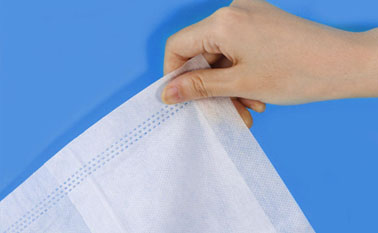
Disposable medical pads are absorbent, single-use products designed to manage bodily fluids, provide protection, and promote hygiene. These pads come in various forms and sizes, depending on their specific medical use. They are typically made from materials such as cotton, pulp, synthetic fibers, and sometimes gel layers to enhance absorbency and prevent leaks. Disposable medical pads are often designed with waterproof backing to protect surfaces from fluid seepage.
Types of Disposable Medical Pads
-
Incontinence Pads
Incontinence pads are designed for individuals experiencing urinary incontinence, helping manage accidents caused by bladder control issues. They vary in size and absorbency, with some intended for light leaks and others capable of absorbing heavy, continuous flow. These pads are commonly used by elderly patients, those recovering from surgery, or individuals with certain health conditions. -
Wound Care Pads
Wound care pads, including gauze pads and dressing pads, are used to cover wounds, absorb exudate (fluids), and promote healing. These pads help protect the wound from infection by maintaining a sterile environment. They are essential for individuals recovering from surgeries, injuries, or chronic conditions such as ulcers. -
Surgical Pads
Surgical pads are sterile pads used during or after surgery to absorb blood and other bodily fluids. They are commonly used in operating rooms and recovery units to keep surgical areas clean and prevent cross-contamination. These pads are designed to be highly absorbent and sterile to ensure the safety and comfort of patients. -
Chux Pads (Underpads)
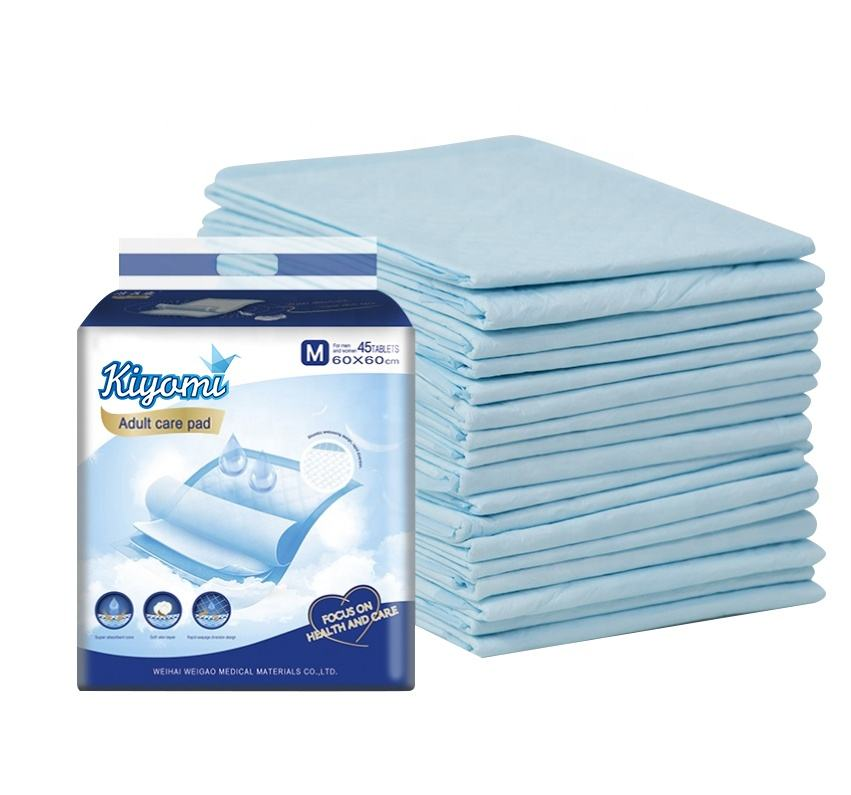
Chux pads, also known as underpads, are large absorbent pads used to protect surfaces like beds, chairs, or wheelchairs from bodily fluids. They are often used for patients with incontinence, post-surgery recovery, or even during diaper changes for adults or infants. These pads are available in various sizes and can be placed under the patient for comfort and cleanliness. -
Postpartum Pads
Postpartum pads are specially designed for women recovering from childbirth. These pads are larger and more absorbent than regular menstrual pads to handle lochia (post-birth bleeding). They help women maintain hygiene and comfort as they recover from childbirth.
Key Benefits of Disposable Medical Pads
-
Infection Control and Hygiene
Disposable medical pads play a crucial role in preventing infections by providing a clean surface that absorbs bodily fluids. This helps reduce the risk of bacteria build-up, especially in areas like wounds or surgical sites. For patients with incontinence, these pads prevent leakage and skin irritation, helping maintain good hygiene. -
Convenience and Ease of Use
One of the major advantages of disposable medical pads is their convenience. Since they are designed for one-time use, they can be discarded after becoming saturated, making them easy to manage. This eliminates the need for cleaning and reusing, which can be time-consuming and less hygienic. -
Comfort and Skin Protection
Many disposable medical pads are designed with soft, breathable materials that help keep the skin dry and comfortable. This is especially important for preventing rashes, irritation, or pressure ulcers in bedridden patients or those using pads for extended periods. The absorbent materials help wick away moisture, reducing the risk of skin breakdown. -
Variety of Applications
With different types of medical pads available, healthcare providers can choose the right product based on the specific needs of the patient. Whether it's for wound care, incontinence, or surgical recovery, there is a disposable medical pad for every scenario, ensuring the appropriate level of protection and absorbency.
Choosing the Right Disposable Medical Pad
When selecting disposable medical pads, it’s essential to consider the following factors:
-
Absorbency
The absorbency of the pad should match the patient's needs. For light leakage, lower absorbency pads may be sufficient. For heavy incontinence or surgical wounds with significant exudate, high-absorbency pads are necessary to prevent leakage and discomfort. -
Size and Fit
Pads come in various sizes, from small ones designed for personal hygiene or wound care to large underpads designed to protect surfaces like beds. It's important to choose the correct size based on the area that needs to be covered, whether it’s a wound or an incontinence pad that fits snugly under clothing. -
Material Composition
The materials used in the pad affect both comfort and absorbency. Soft, breathable fabrics are essential for preventing skin irritation, while the addition of a waterproof layer ensures that fluids don’t seep through the pad. The material should be hypoallergenic for patients with sensitive skin. -
Sterility
Sterile medical pads are necessary for wound care, surgeries, or any procedure that requires a controlled, clean environment. Non-sterile pads are generally used for incontinence or surface protection, where sterility is not as critical. -
Disposability and Environmental Impact
While disposable pads offer convenience, they also contribute to landfill waste. For environmentally conscious consumers, some brands offer biodegradable or compostable options. However, these may not be suitable for all medical applications, particularly where sterility and absorbency are critical.
Environmental Considerations
Though disposable medical pads offer convenience, they come with environmental concerns due to their one-time use nature. Large quantities of disposable pads are used daily in hospitals, nursing homes, and at-home care, leading to significant waste. For eco-conscious individuals, choosing biodegradable pads or considering alternatives like reusable pads for non-medical situations can help reduce the environmental impact. However, it’s important to note that these eco-friendly alternatives may not always meet the strict standards required in medical environments.
Conclusion
Disposable medical pads are indispensable in healthcare settings, providing a practical and hygienic solution for patient care. Whether used for incontinence management, wound care, or during surgery, these pads ensure comfort, cleanliness, and infection prevention. With a wide variety of options available, healthcare providers can select the right pad based on absorbency, size, and material to meet individual patient needs. While they are incredibly convenient, it’s important to consider the environmental impact and opt for sustainable choices when possible.