











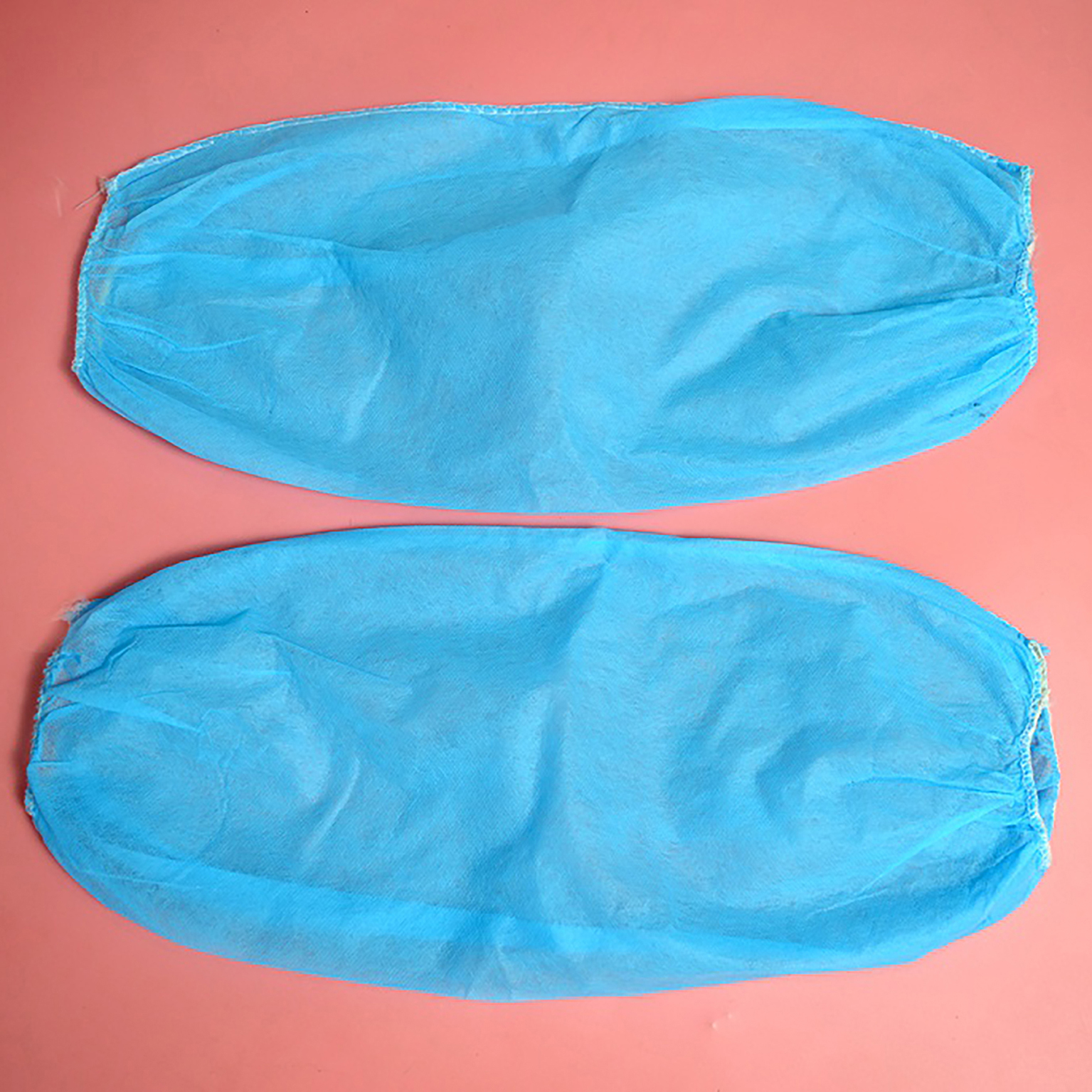
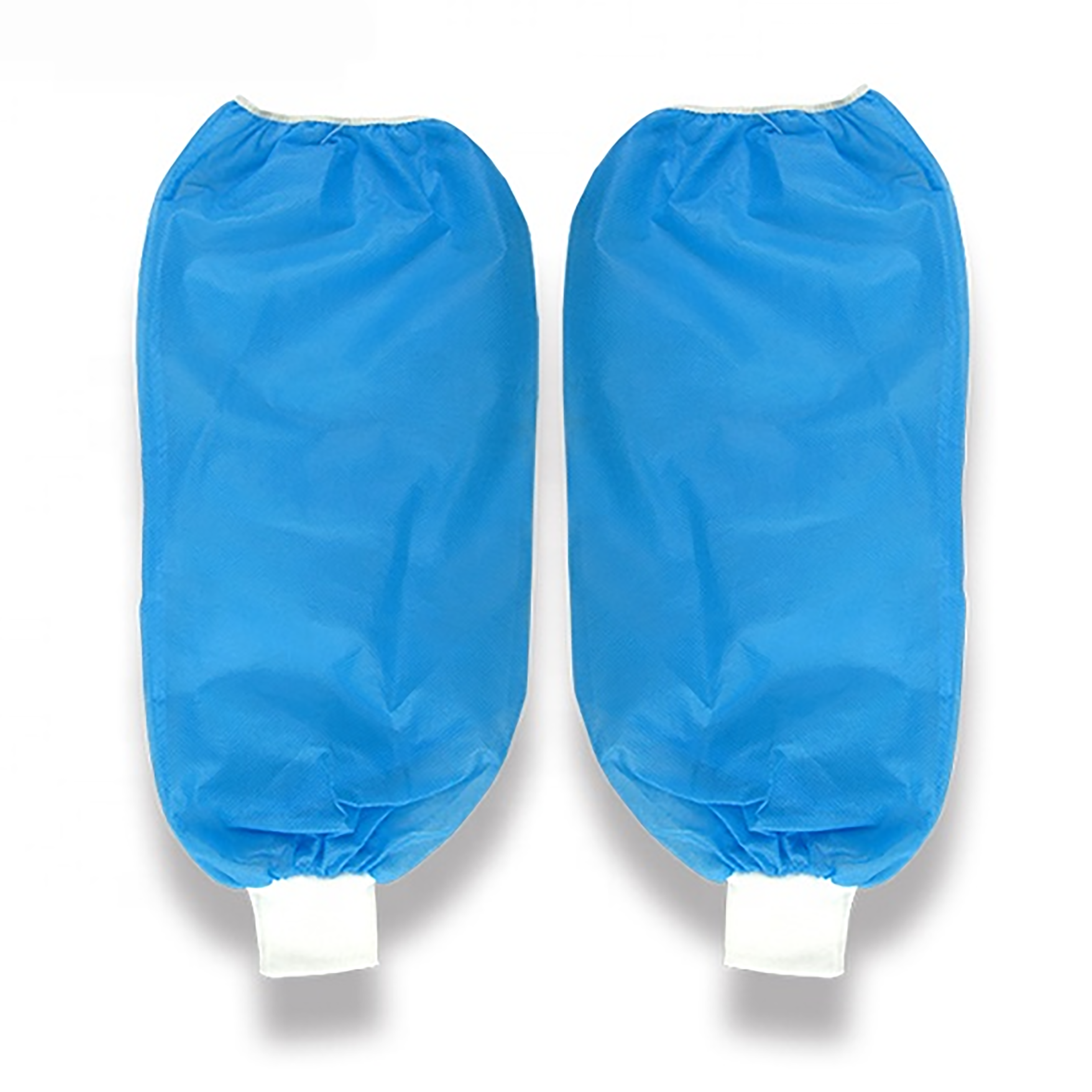
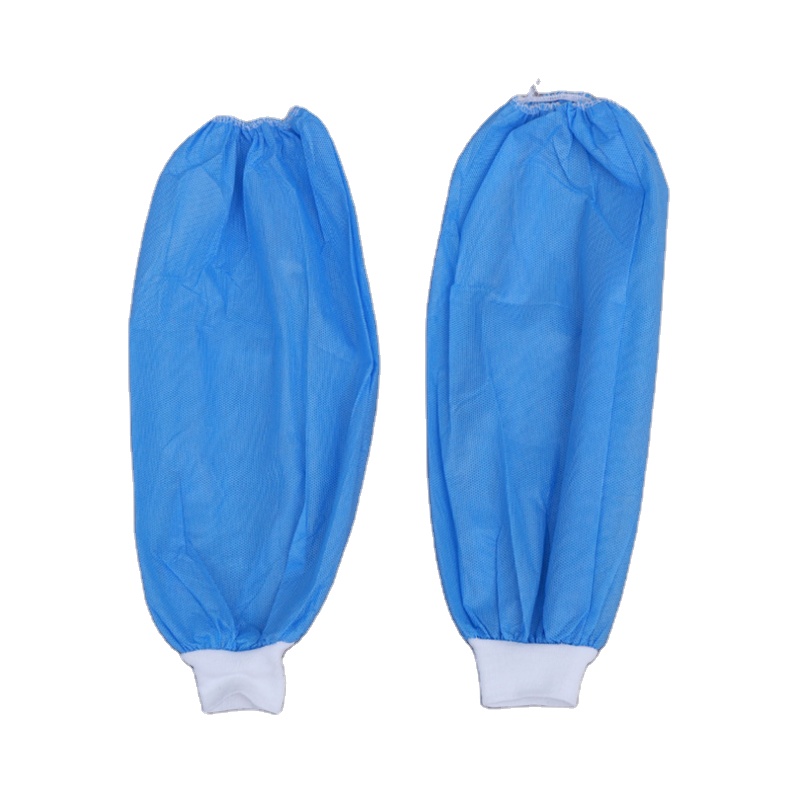
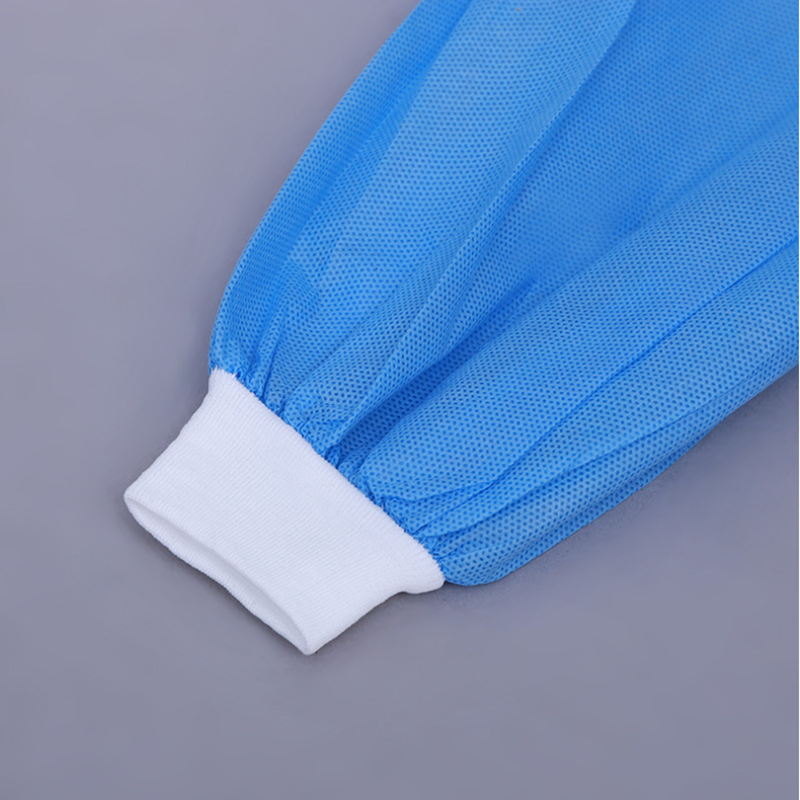
Disposable pp sleeve cover
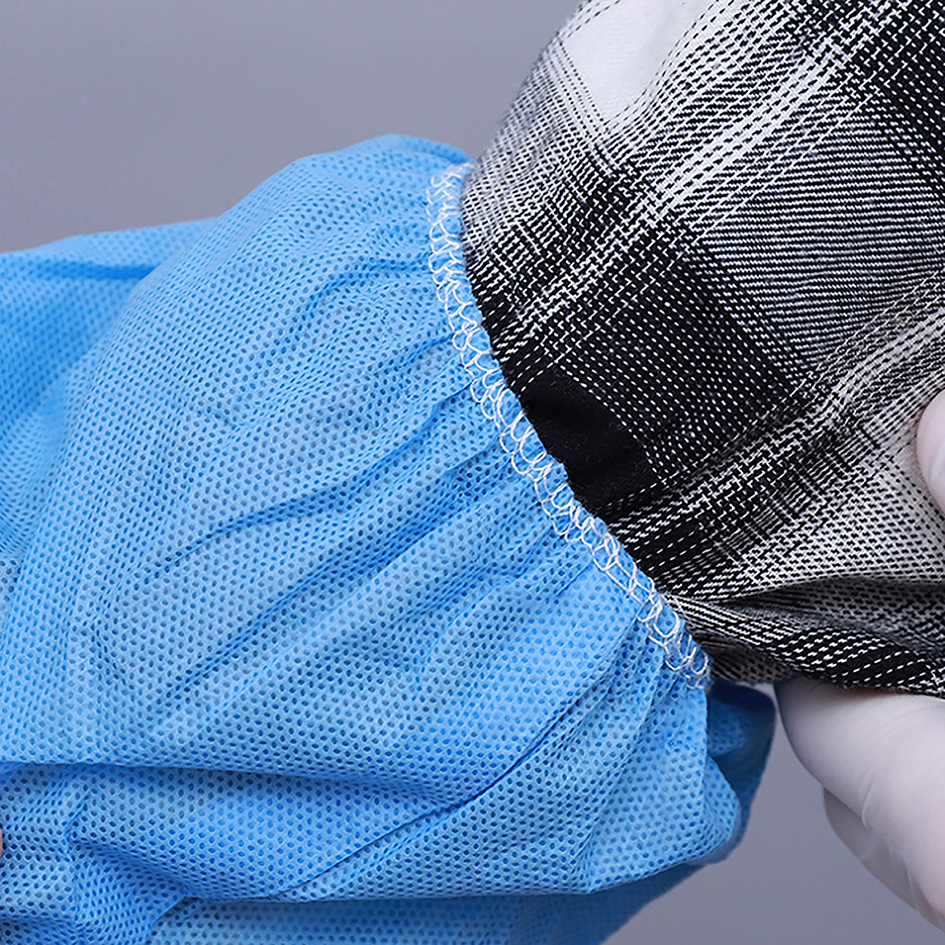
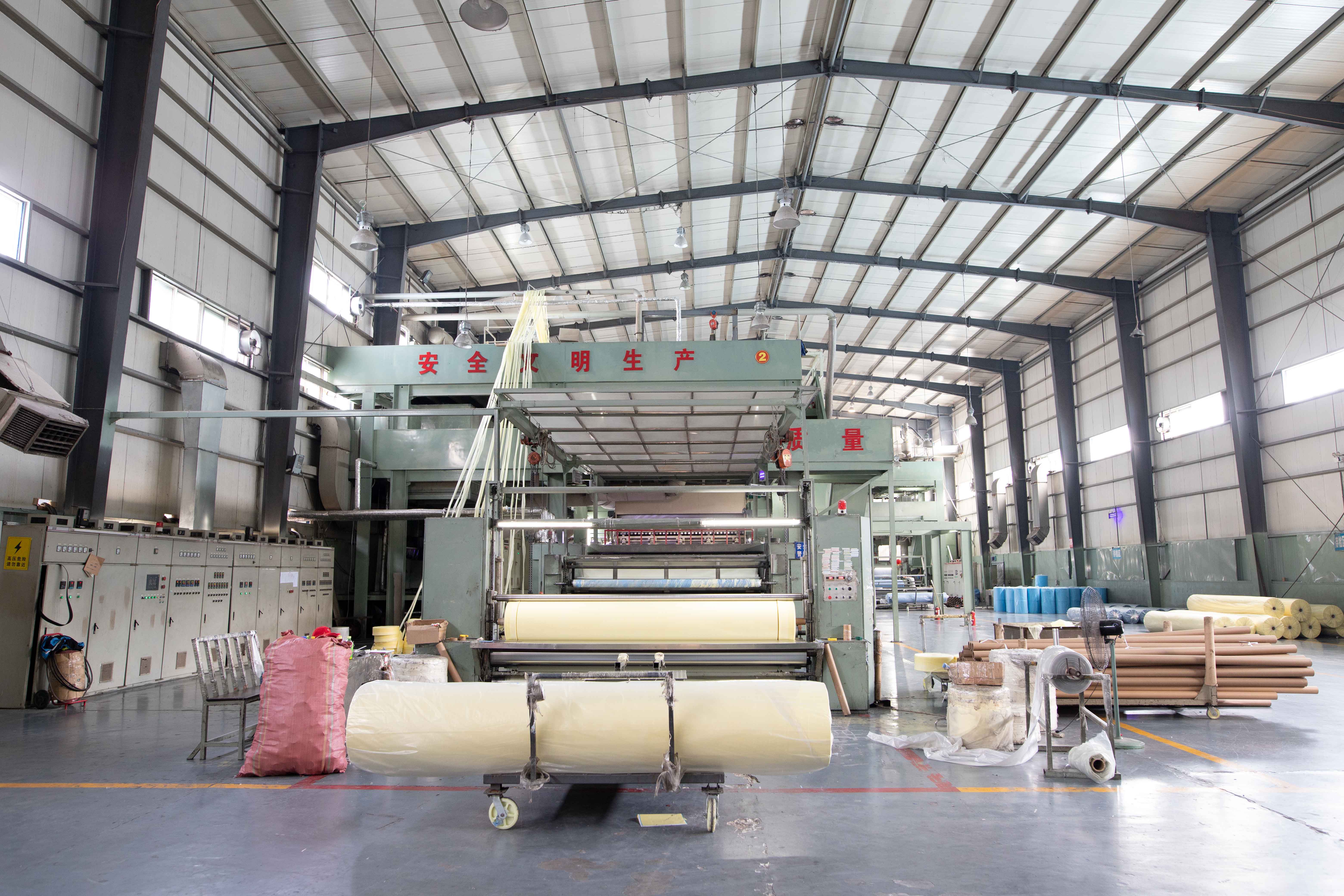
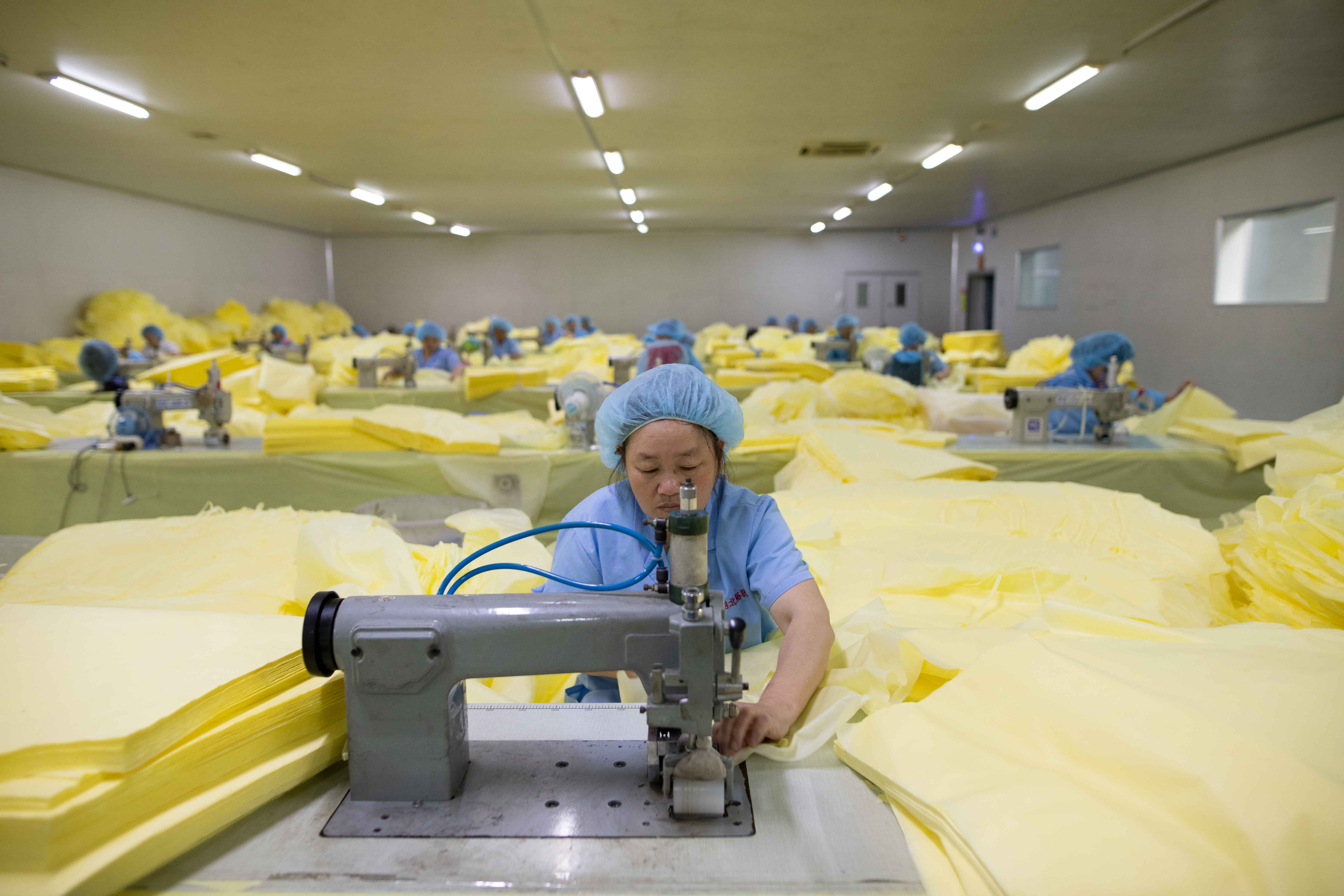
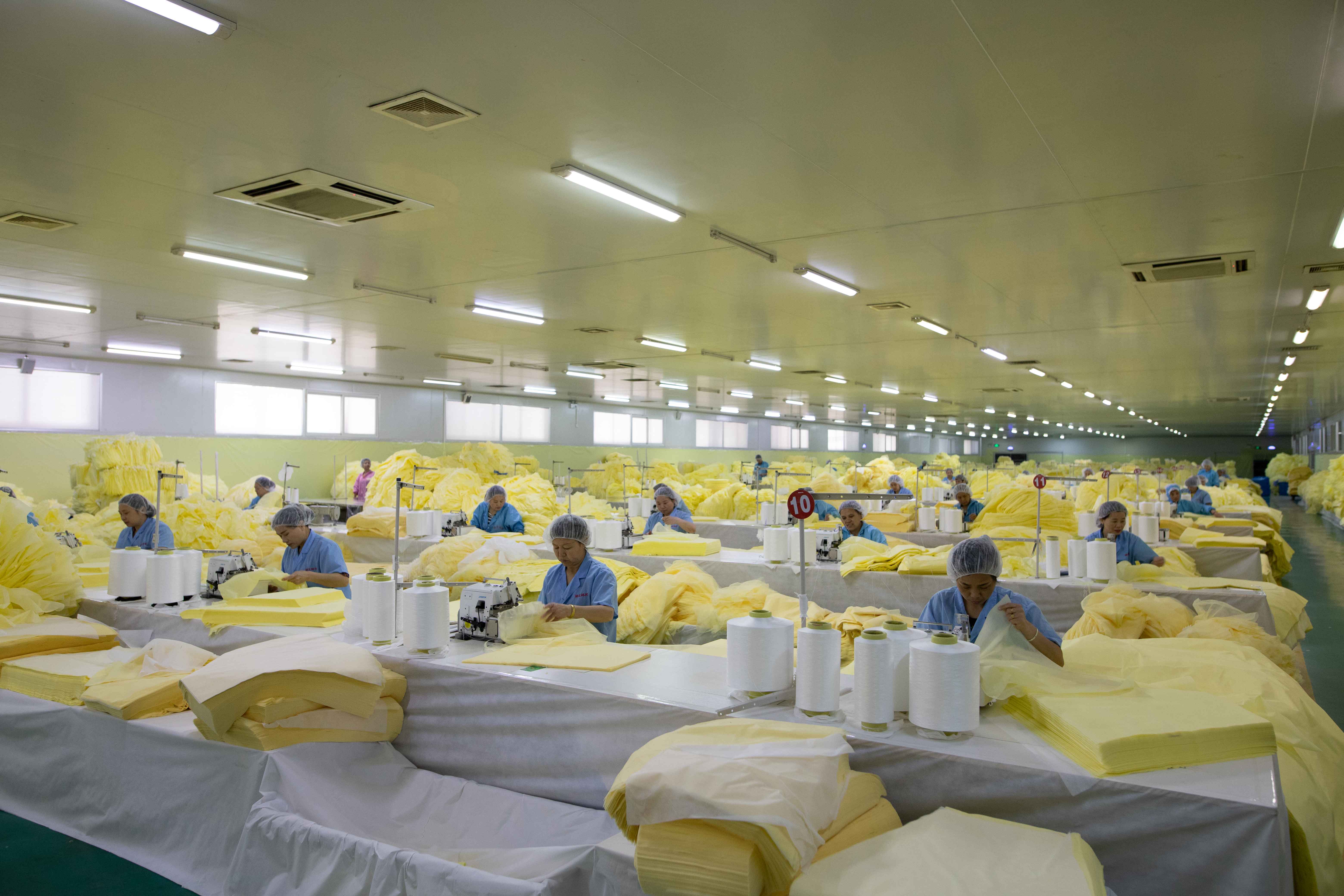
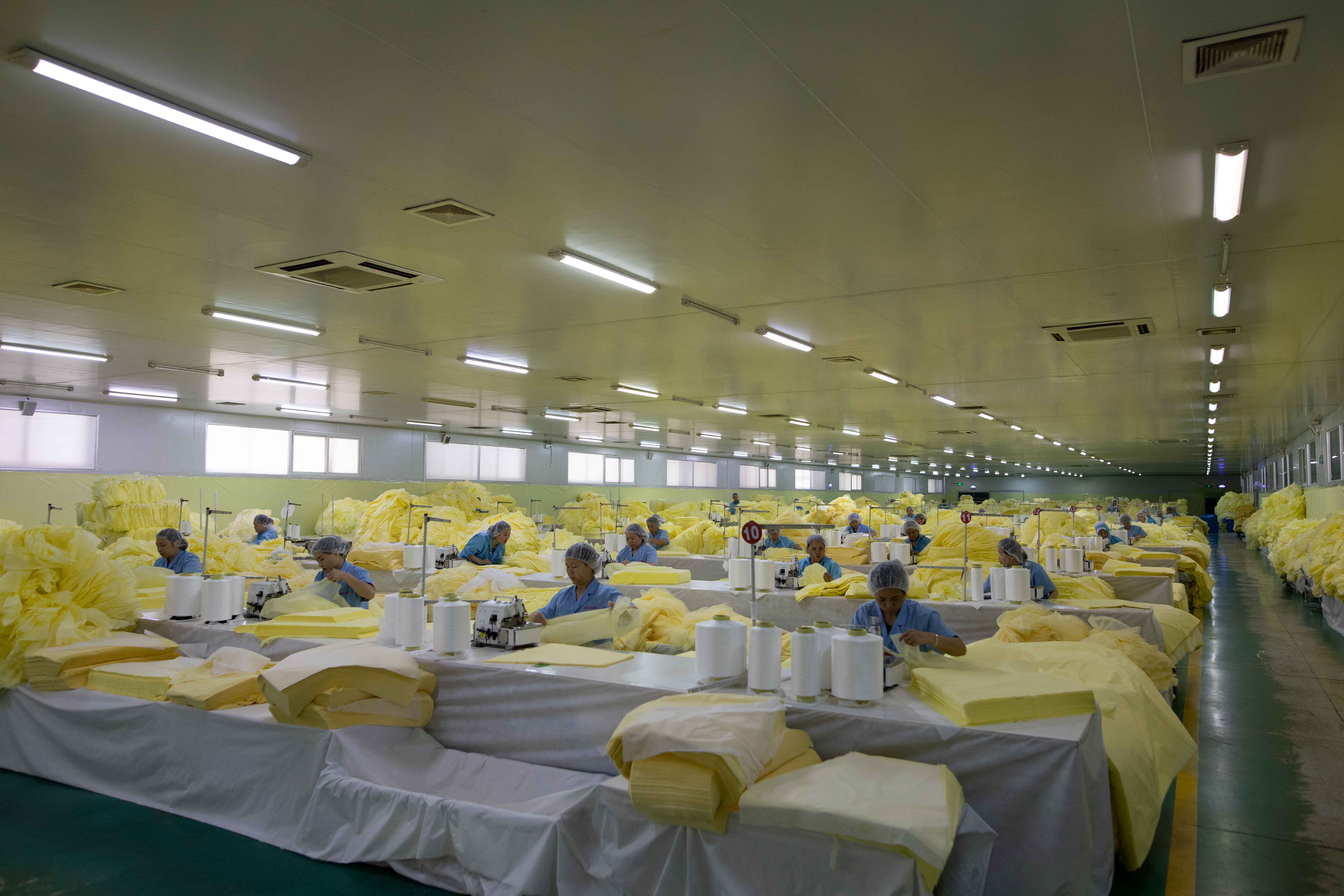
Disposable PP sleeve covers are protective clothing that gives the arms and wrists an additional layer of protection. These sleeve covers are lightweight, breathable, and long-lasting because they are made of polypropylene( PP). They are frequently employed in settings like food processing, healthcare facilities, laboratories, and cleanrooms where maintaining hygiene and preventing cross-contamination are crucial. Due to their single-use design, PP sleeve covers effectively contain potential contaminants and prevent them from spreading to other surfaces or people. These covers provide a practical solution for maintaining cleanliness and reducing the possibility of being exposed to various substances because they are simple to put on and remove. Disposable PP sleeve covers are essential for keeping a controlled and hygienic environment, whether they are used in hospitals, food processing facilities, or industrial settings.
Product parameter list
| Sleeve Cover | PP | White/Blue color | 10pc/roll | 38*21*30 |
| 20gsm | Size:20*40 cm | 100pcs/bag | ||
| 2000pcs/ctn |
What are disposable over sleeves?
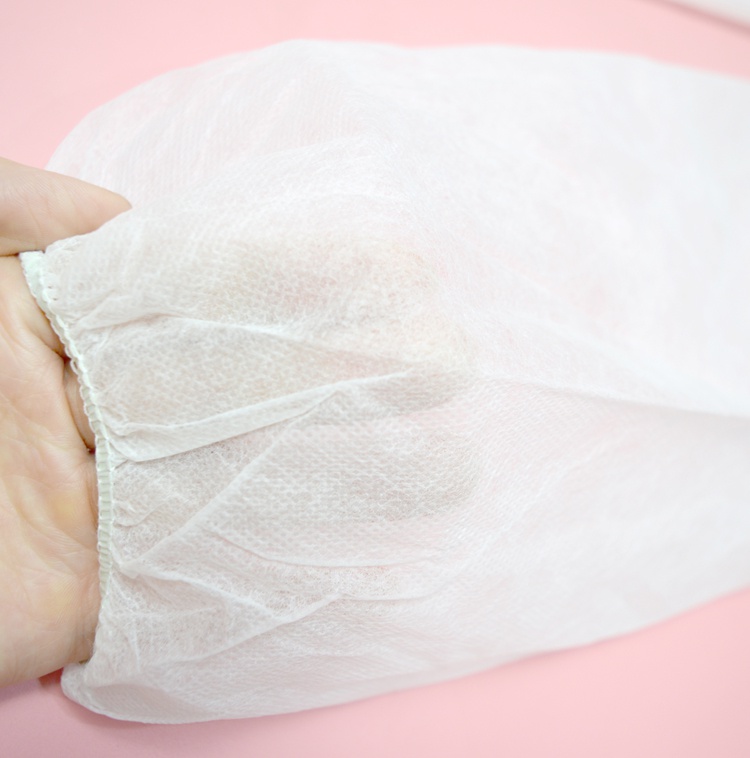
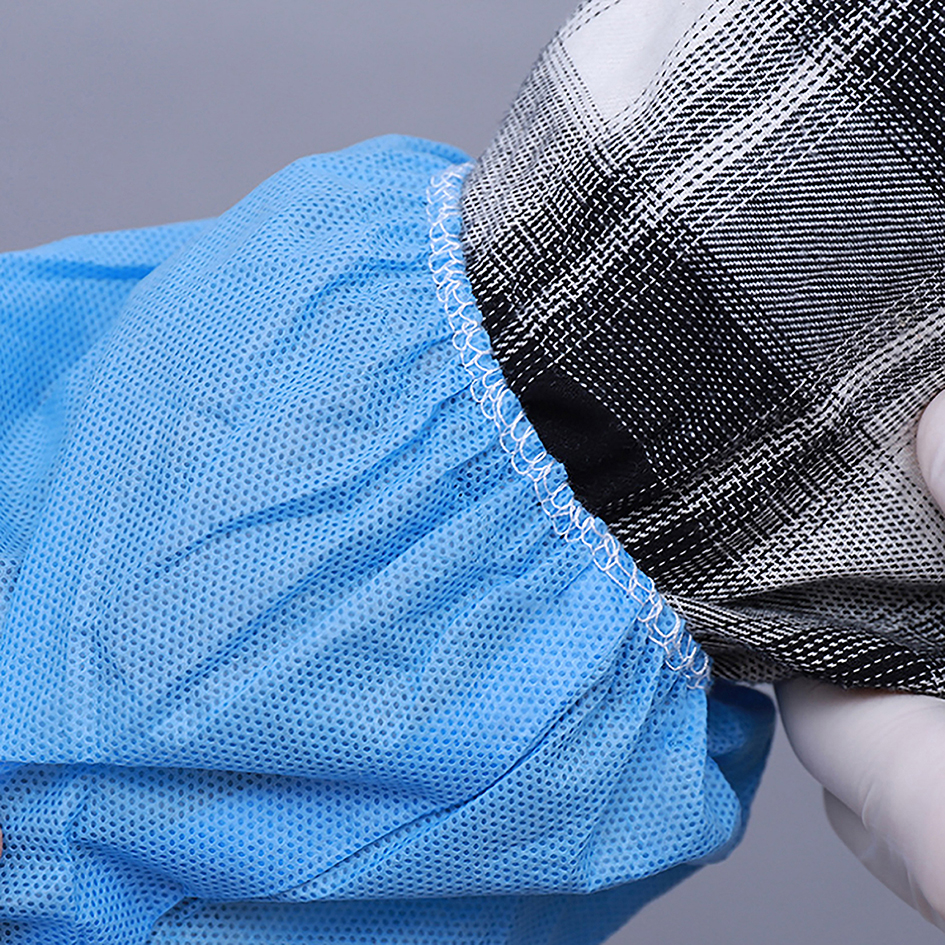
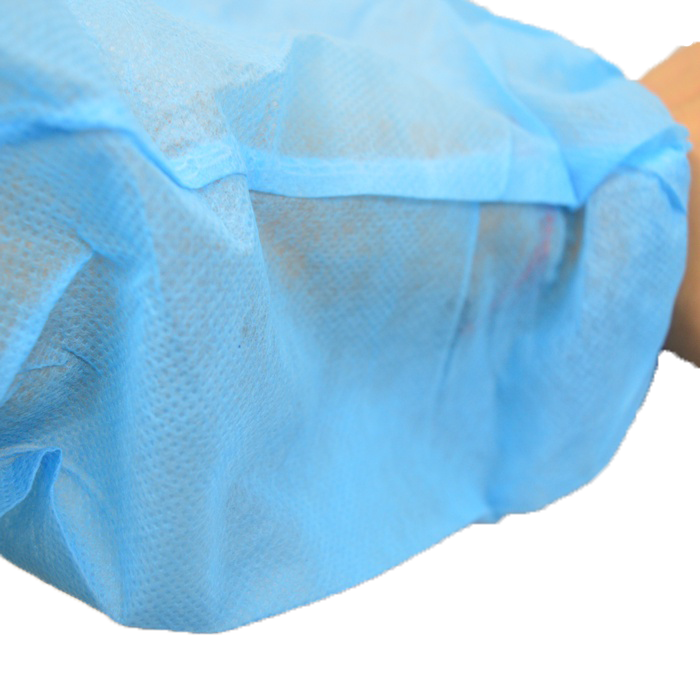
To add an additional layer of protection against different contaminants, fluids, or particles, disposable oversleeves are lightweight, protective coverings made to be worn over clothing, usually on the arms. They are frequently employed in sectors like manufacturing, healthcare, food processing, and healthcare where hygiene and cleanliness are crucial.
What is a protective sleeve used for?
A protective sleeve is typically used to protect a particular body part from contaminants or potential hazards. It can refer to different kinds of sleeves that are used for a variety of functions, such as defending against potentially harmful substances like chemicals, fluids, and scrapes.
When wearing protective sleeves should they be of a material that is different from the
gloves?
It is frequently advised that protective sleeves be made of a material other than gloves when wearing them. This is due to the fact that various materials provide varying degrees of risk protection. For instance, the sleeves of gloves may be made of a more breathable and comfortable fabric than the material of the gloves.
What are the 3 basic types of sleeves?
Short sleeves, which cover the upper arms and shoulders, are the three main categories of sleeves. The forearms are covered by three-quarter sleeves. Long Sleeves: From the shoulder to the wrist, these sleeves completely enclose the arm.
What are disposable clothes used for?
Disposable clothing refers to garments that are designed for single-use purposes and are discarded after use. These garments are often made from lightweight, breathable materials and are used in environments where hygiene, contamination control, or protection from potentially hazardous materials is essential.
What is protective disposable clothing?
A variety of clothing items made to shield people from dangers like chemicals, biological agents, dust, and liquids are included in the category of protective disposable clothing. Disposable coveralls, aprons, dresses, lab coats— among others— are some examples. These clothing items are made of materials that act as a barrier against the particular hazards they are intended to protect against and are only intended for one-time use.
What is the meaning of disposable clothes?
Disposable clothing is defined as clothing that is only meant to be worn once before being thrown away. They are not intended for long-term use or reuse. These clothes are frequently used in industries where hygiene, convenience, or contamination control are important. They are typically made of low-cost materials.
What is disposable fabric?
A type of material intended for single-use purposes is disposable fabric. It is frequently constructed from non-woven materials, which are created by heating, chemical, or mechanically bonding fibers together. Numerous applications, including medical gowns, surgical drapes and face masks as well as cleaning supplies, use disposable fabrics. They are picked because of their anti-contaminant barriers and protective qualities.