










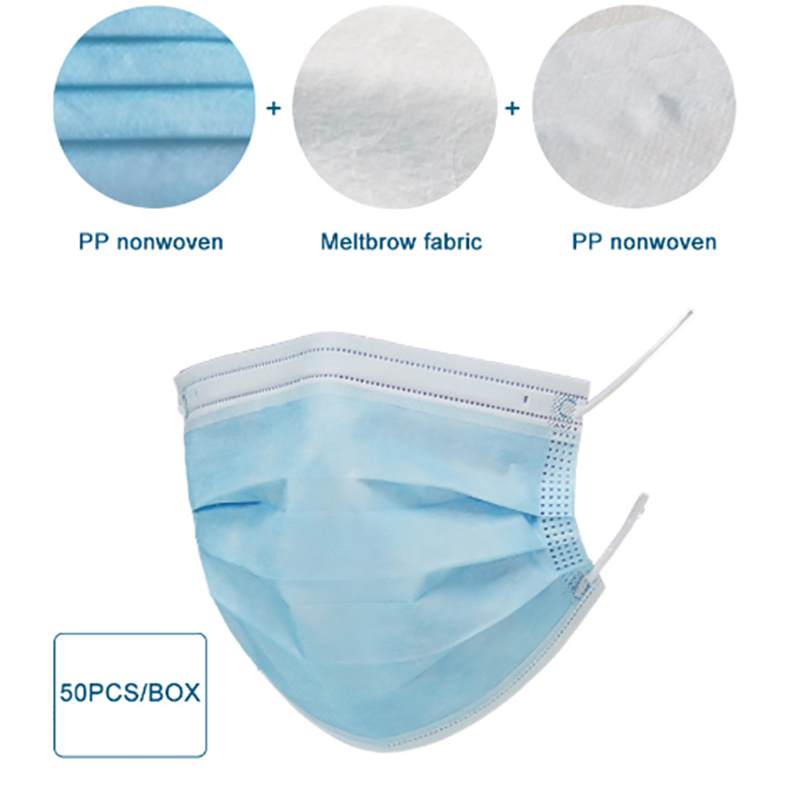
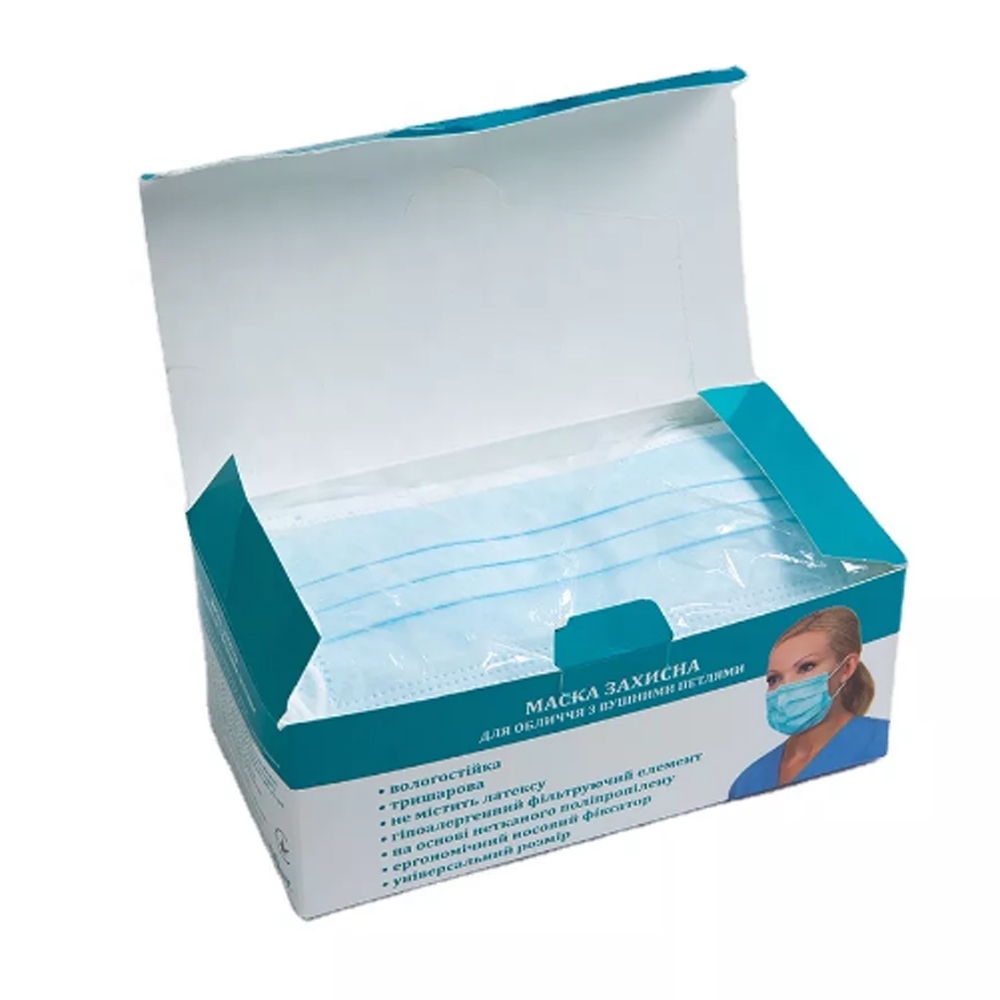
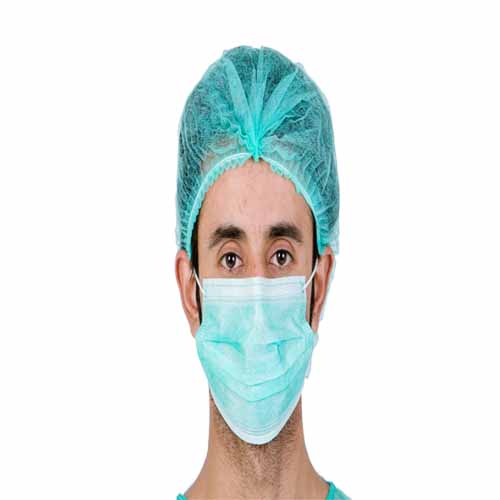
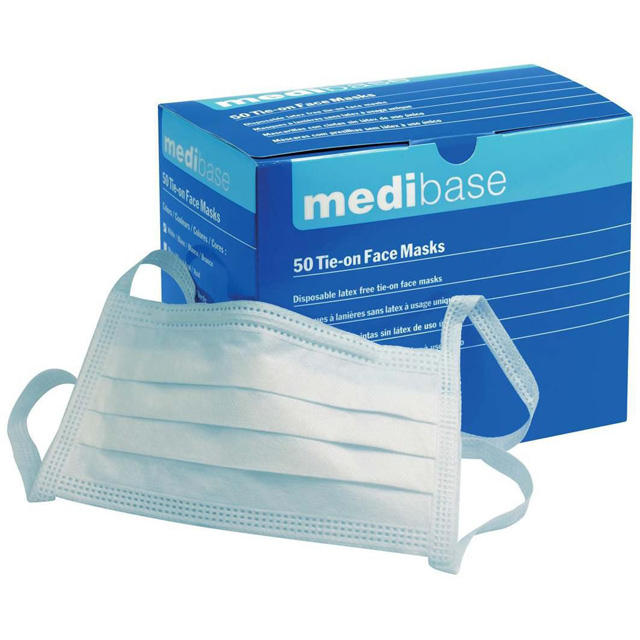
face mask
Disposable PP (Polypropylene) Coveralls are one-piece, single-use protective garments made of non-woven polypropylene, designed to shield the entire body from dry particulates, light liquids, dust, and basic contaminants.
Core Features
1. Materials & Variants: Standard spunbond PP (~25–40 gsm); upgraded SMS (Spunbond-Meltblown-Spunbond) for better liquid/particle barrier; some with PE coating. Common designs: attached hood, elastic cuffs/ankles, front zipper, optional booties. Colors: white, blue, green.
2. Key Standards: EN 13034 (Type 6, light liquid splash), EN ISO 13982-1 (Type 5, solid particulates); medical grades may meet AAMI PB70, ASTM F1671.
3. Advantages: Lightweight, breathable, cost-effective, latex-free, low-lint, quick to don/doff, no laundering needed.
4. Limitations: Poor resistance to strong chemicals, high-pressure liquid jets, open flame; not for heavy biological hazards unless reinforced SMS/coated.
Typical Applications
• Food processing, cleanrooms, painting, general industrial cleaning
• Agriculture, pest control, lab work, construction dust zones
• Low-risk healthcare (non-surgical isolation), pandemic mass screening
Usage & Disposal
1. Don in clean area: put legs first, pull up torso, zip fully, secure hood, adjust cuffs/ankles; avoid touching outer surface after exposure.
2. Remove carefully (roll inward to contain contaminants), discard as regulated infectious/industrial waste; do not reuse or wash.
Selection Tips
• For dust only: basic PP (~30 gsm)
• For light liquid splashes: SMS or PP+PE coating
• For medical settings: certified medical-grade SMS with BFE/PFE ratings
• Ensure correct size to avoid gaps and tearing when moving.
Would you like a concise checklist to help you pick the right disposable PP coverall for your specific work environment?