










Disposable sterile surgical sleeves: An essential choice for medical protection.
In medical surgeries and clinical procedures, arm protection for healthcare professionals is crucial. Disposable sterile surgical sleeve covers, as a key protective equipment, effectively prevent bacterial, viral, and bodily fluid contamination, ensuring the safety and cleanliness of the surgical environment. This article will delve into their materials, design, application scenarios, and purchasing considerations, helping you gain a comprehensive understanding of this essential medical product.
I. Materials and Design: Balancing Protection and Comfort
1. Material Characteristics
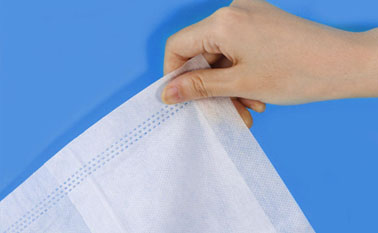
Nonwoven fabric: The main material is polypropylene (PP) or polyester fiber, manufactured through a spunbond-meltblown-spunbond (SMS) process, combining both waterproof and breathable properties. This structure blocks liquid penetration while allowing the skin to breathe, reducing discomfort during prolonged wear.
PE/PP composite material: Some products use a composite of polyethylene (PE) and polypropylene (PP) to enhance water and oil resistance, suitable for high-risk contamination scenarios, such as emergency rooms or infectious disease departments.
Biocompatibility: All materials are medically certified, ensuring they are non-toxic and non-irritating, preventing skin allergies or inflammatory reactions.
2. Design Details
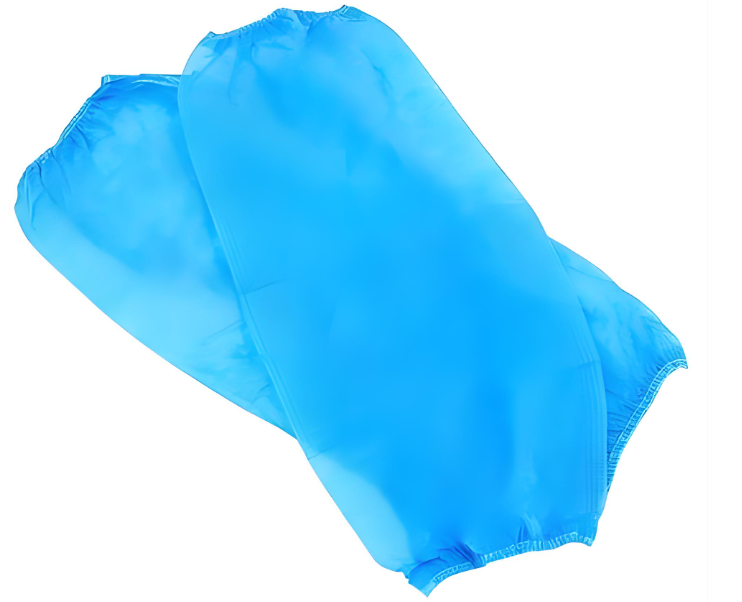
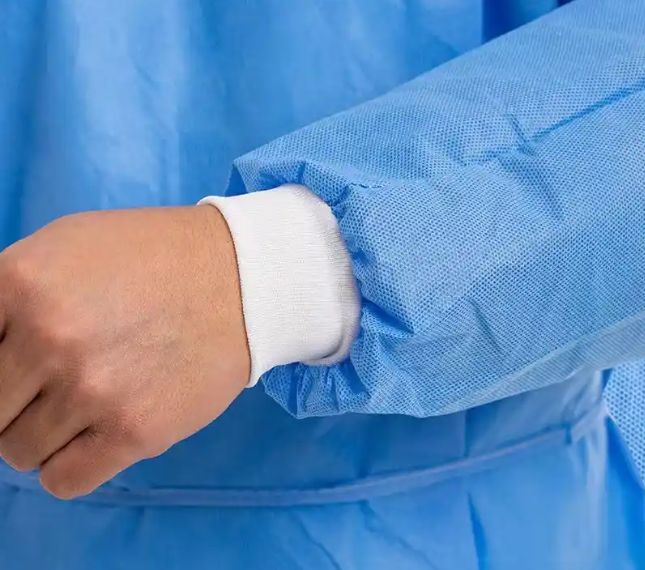
Size variety: Common sizes range from 20×40cm to 20×50cm, adapting to different arm lengths; the elastic cuff design ensures a snug fit, preventing slippage or contamination.
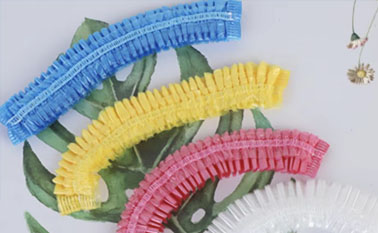
Color coding: Available in white, blue, or green, facilitating differentiation of usage scenarios (such as operating rooms and general wards) or identification of contaminated areas.
Convenience: The lightweight design (thickness 0.018-0.035mm) does not affect operational flexibility and is easy to put on and take off, improving work efficiency.
II. Application Scenarios: From Operating Rooms to Daily Care
1. Core Protection in Operating Rooms
Sterile barrier: In sterile surgery, the sleeve cover, along with surgical gowns and masks, forms a complete protective system, blocking microbial transmission and reducing the risk of postoperative infection.
Compatibility: When used with equipment such as high-frequency electrosurgical units, the material must be heat-resistant (such as fluoroelastomer FKM for special instruments, but conventional sleeve covers are mainly made of PP) to avoid damage during surgery. 2. Expanded Application Areas
Home and Kitchen: PE material sleeves can be used for household cleaning or food handling, with waterproof and oil-resistant properties protecting arms from chemical substances or food residue contamination.
Industry and Laboratory: In chemical or biological laboratories, they serve as a basic protective layer to prevent contact with harmful liquids or dust.
III. Key Selection Points: Precisely Matching Needs
1. Keyword Identification
Certification Labels: Prioritize products labeled "Disposable," "Surgical," or "Sterile," ensuring compliance with ISO or FDA medical standards.
Material Description: Clearly identify the material type (e.g., PP/SMS or PE/PP) to avoid confusing them with non-medical grade products (such as ordinary plastic sleeves).
2. Supplier Evaluation
Qualifications and Experience: Choose manufacturers with over 10 years of export experience and CE or GMP certification to ensure quality stability.
Customization Services: Support customization of size, color, or brand logo to meet the personalized needs of institutions (such as hospital logo printing).
3. Cost and Delivery
Bulk Purchasing: The MOQ (Minimum Order Quantity) is usually 100,000 pieces, with a unit price of approximately $0.01-0.04/piece, suitable for centralized procurement by hospitals to reduce costs.
Logistics Efficiency: Confirm the delivery cycle (e.g., shipping from Shanghai port) to avoid delays affecting clinical use.
IV. Frequently Asked Questions
1. Material Selection: PP vs. PE
PP (Polypropylene): Offers better breathability, suitable for long-term surgical wear; PE (Polyethylene): Provides stronger waterproofing, recommended for highly contaminated environments.
2. Size Matching
Measure arm length (from shoulder to wrist) and choose a size that is 5cm larger to ensure complete coverage and prevent tightness or slipping.
3. Environmental Considerations
Although disposable, PP material is partially recyclable. It is recommended to choose suppliers that offer recycling programs to balance protection and sustainability.
Conclusion
Disposable sterile surgical sleeves are the first line of defense for medical safety. The scientific combination of materials and design provides reliable protection for medical personnel. When purchasing, focusing on certification, materials, and supplier reputation can significantly improve protective effectiveness. Whether in the operating room or during routine care, the correct use of arm sleeves can effectively reduce the risk of infection and protect the health of both patients and healthcare workers.