











Disposable PVC Gloves: Comprehensive Guide to Standards, Applications, and Safety Considerations
Disposable PVC gloves have become indispensable protective tools across diverse industries, offering a cost-effective solution for maintaining hygiene and safety. Made from polyvinyl chloride (PVC), these gloves provide a reliable alternative to latex and nitrile options, particularly for individuals with sensitivities. Their lightweight design and versatility make them suitable for short-term tasks in medical, food service, industrial, and household settings. This article explores the key aspects of disposable PVC gloves, including their standards, physical properties, applications, and safety considerations.
Standards and Quality Control
International Standards
Disposable PVC gloves adhere to several international standards to ensure quality and safety:
AQL (Acceptable Quality Level): AQL 4.0 and AQL 1.5 are common standards, with AQL 1.5 indicating higher quality and stricter defect tolerance. These standards help manufacturers maintain consistent production quality by limiting the number of defective gloves per batch.
FDA Certification: The Food and Drug Administration (FDA) certification ensures that PVC gloves meet safety requirements for food contact and medical use, confirming their non-toxic nature and suitability for handling consumables.

Material Specifications
DINP (Di-isononyl Phthalate): DINP is a plasticizer used in PVC gloves to enhance flexibility and durability. Unlike DOP (Di-2-ethylhexyl phthalate), DINP is considered safer and is often used in food-grade applications due to its lower toxicity profile.
Latex-Free Design: PVC gloves are inherently latex-free, making them ideal for individuals with latex allergies. This feature reduces the risk of allergic reactions, ensuring safer use in medical and food environments.
Physical Properties and Engineering Applications
Material Characteristics
Chemical Resistance: PVC gloves exhibit excellent resistance to acids, alkalis, oils, and solvents, making them suitable for industrial tasks involving chemical exposure. Their ability to withstand mild chemicals ensures durability in harsh environments.
Durability and Wear Resistance: The gloves are designed to be wear-resistant and durable, with reinforced fingertips to prevent punctures and tears. This durability is crucial for tasks requiring repeated glove changes.
Comfort and Dexterity: Lightweight and flexible, PVC gloves offer high dexterity, allowing for precise movements in intricate tasks. Their comfortable fit reduces hand fatigue during prolonged use.
Engineering Applications
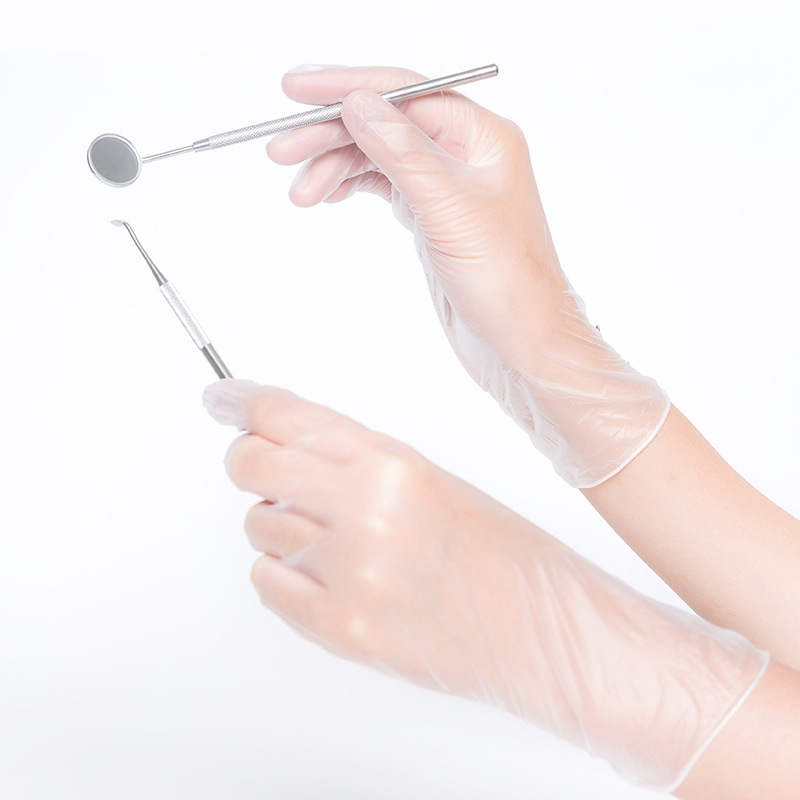
Medical Field: In healthcare, PVC gloves are used for routine examinations and non-surgical procedures. Their hypoallergenic properties and cost-effectiveness make them a preferred choice for short-term applications.
Food Industry: Food service professionals rely on PVC gloves for handling ingredients and maintaining hygiene. Their FDA certification ensures safety for food contact, while their transparency allows for easy contamination inspection.
Industrial Settings: Industries such as manufacturing and cleaning use PVC gloves for tasks involving chemical exposure. Their chemical resistance and durability provide reliable protection against workplace hazards.
Household Use: Everyday activities like cleaning and gardening benefit from PVC gloves due to their affordability and ease of disposal. They offer sufficient protection against mild irritants and contaminants.
Safety Considerations and Best Practices
Chemical Contamination Risks
Residue Transfer: Studies highlight the potential for chemical residues to transfer from disposable gloves to surfaces or food items. This risk underscores the importance of selecting gloves with low chemical migration properties.
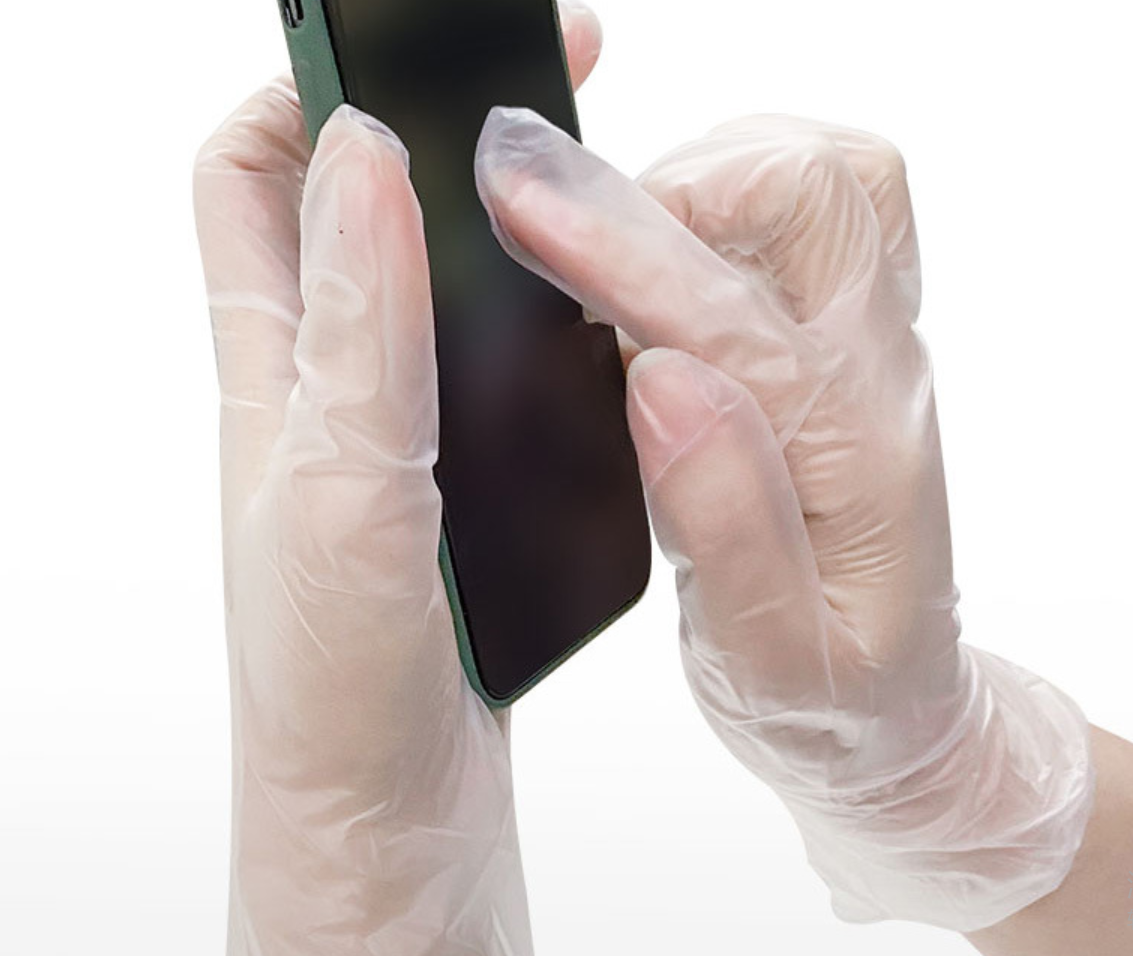
Cross-Contamination: Gloves can collect exogenous materials on their surfaces through contact with contaminated objects, leading to cross-contamination. Regular glove changes and proper hand hygiene practices are essential to mitigate this risk.
Migration Testing: Research emphasizes the need for migration testing to assess the transfer of chemical residues from gloves to other surfaces. This testing helps ensure that gloves meet safety standards and do not pose health risks.
Best Practices for Use
Proper Selection: Choose gloves based on the specific task and environment. For example, select gloves with higher chemical resistance for industrial applications and those with FDA certification for food handling.
Regular Changes: Disposable gloves should be changed frequently to prevent contamination buildup. This practice is particularly important in healthcare and food service settings where hygiene is critical.
Hand Hygiene: Always wash hands before and after glove us